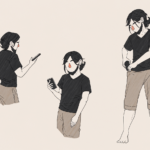

Why is there an AI authenticity controversy
Artificial intelligence has transformed the way people create, communicate, and consume content. From writing and generating artwork to producing realistic videos and voice recordings, AI can now automate and complete creative tasks faster than ever before. Yet alongside these advances is a growing concern: if AI can create almost anything, how do we know what is real?
The Rise of AI-Generated Content
AI-generated content is now part of everyday life. Businesses use it to automate systems. Creators use it to brainstorm ideas, edit images, and produce videos. These tools can save time, reduce costs, and help smaller organisations compete with larger ones.
However, the same technology that supports creativity can also blur the line between authentic expression and artificial production. When content looks polished but lacks a human voice, audiences may begin to question whether it is genuine, meaningful, or trustworthy.
Why Authenticity Has Become a Concern
One major concern is the spread of deepfakes. Imagine scrolling through social media and seeing a video of a famous public figure endorsing a product. It looks real, sounds convincing, and has already been shared thousands of times. Days later, it is revealed to be entirely AI-generated. This is no longer science fiction; realistic synthetic media now makes it harder to separate truth from digital fabrication.
The news industry faces similar challenges. AI-generated images, altered videos, and fabricated stories can spread quickly online before fact-checkers have time to respond. When false content appears credible, public trust can be damaged, and people may become unsure about what information to believe. Read more…
Authenticity in Business and Communication
Businesses also face an authenticity challenge. AI can help companies respond faster and communicate more consistently, but customers are becoming more aware of content that feels robotic or impersonal. A perfectly written message may still fail if it lacks empathy, personality, or real-life understanding.
Modern consumers value honesty and human connection. They want to know when they are interacting with a person, when AI has been used, and whether the message reflects genuine expertise or simply automated output. For brands, trust is built not only through efficiency but also through transparency.
AI Is a Tool, Not the Problem
Despite the concerns, AI itself is not the problem. Like any powerful technology, its impact depends on how people choose to use it. When used responsibly, AI can automate repetitive tasks, increase efficiency, support creativity, and make professional-quality tools more accessible.
The key is to avoid treating AI as a replacement for human judgement. The strongest AI-assisted content still needs human direction, personal experience, ethical awareness, and careful review. Technology can help shape a message, but people remain responsible for its accuracy, purpose, and impact.
The Future of Trust and Transparency
The future of AI authenticity will depend on transparency. Businesses should clearly disclose when AI has assisted in creating content, while writers, artists, and creators should continue adding their own insights, experiences, and perspectives. These human elements are what make content feel original and trustworthy.
Governments, technology companies, and media platforms are also developing ways to label AI-generated material and reduce the spread of misinformation. These efforts are important, but responsibility does not belong to institutions alone. Audiences must also think critically, check sources, and question content that seems misleading or too convincing to trust without verification.
Therefore, authenticity is about trust. People connect with real stories, honest experiences, emotion, and human perspective, not just perfectly generated words, images, or videos. AI can help tell stories, but it cannot replace genuine human experience.
As AI continues to evolve, the real challenge is not deciding whether to use artificial intelligence. It is learning how to balance innovation with transparency, creativity with responsibility, and technology with the authenticity that people continue to value above everything else. Read more…
Author Profile

- Martha. K is a digital marketing strategist who helps entrepreneurs increase their online presence, leading to growth.
Latest entries
 Digital MarketingOctober 6, 2026Why are social media followers still of value in 2026
- TechnologyOctober 6, 2026Your cyber identity is under silent attack.
- Digital MarketingOctober 6, 2026why the highest bidder doesn’t always win in Google Ads
- TechnologyOctober 1, 2026Is My PC Eligible For The Microsoft Windows 11, Version 26H2